
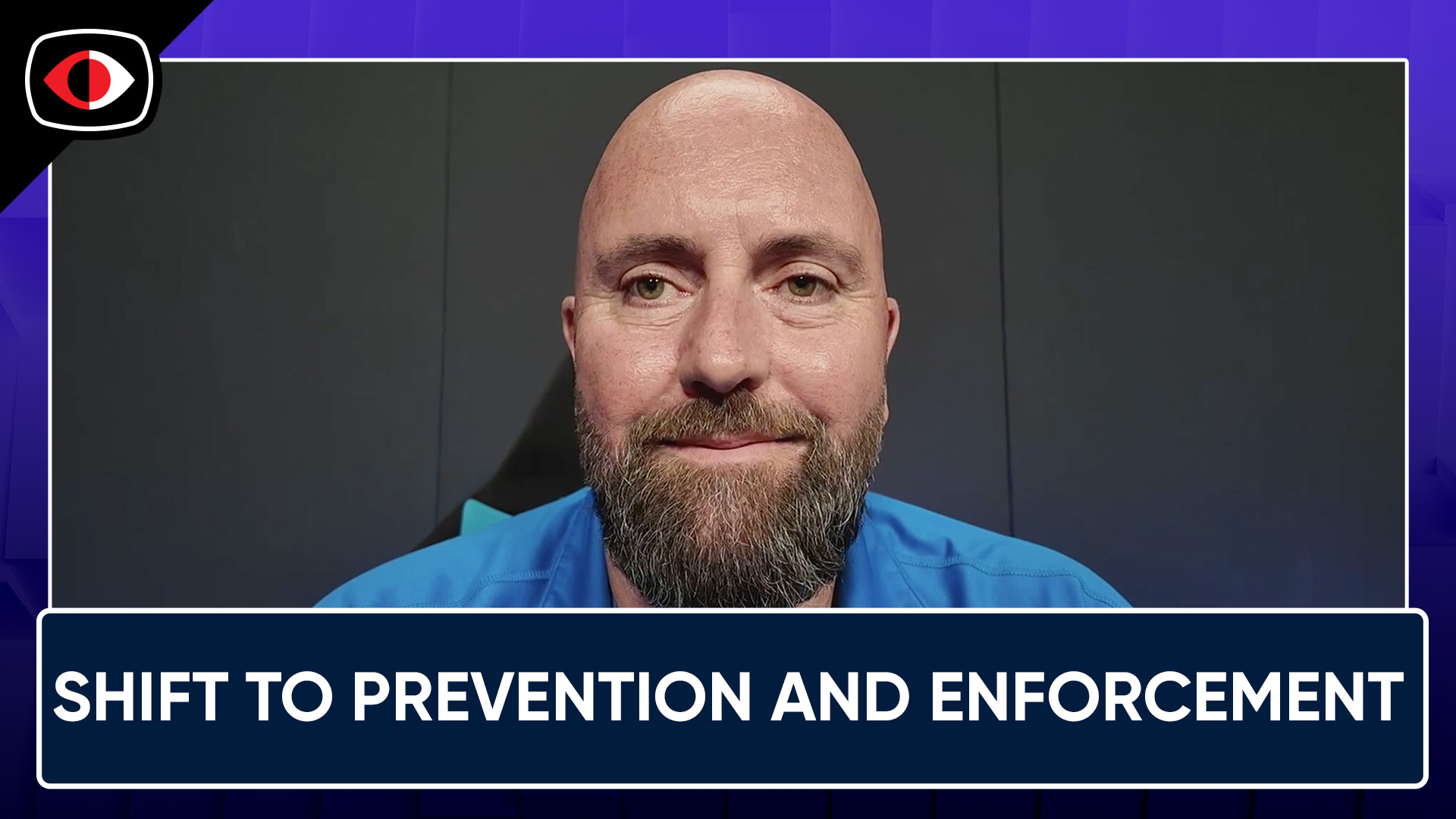
- What: A discussion on the shift from detection to prevention in cybersecurity
- Impact: Industry experts are rethinking security strategies
Subscribe Share Full episode and show notes Leadership , Security Staff Acquisition & Development , AI benefits/risks Shift to Prevention and Enforcement as We Repeat Security Mistakes With AI – Rob Allen – BSW #448 Over the last decade, cybersecurity heavily invested in EDR, XDR, SIEM, telemetry, and SOC-driven operations. We stopped asking how to stop attacks and started asking how fast we could detect them. However, Mythos and frontier models have changed that paradigm. How do you detect a -7 day vulnerability? Detection and response cannot keep, so what’s the answer? Rob Allen, Chief Product Officer at ThreatLocker, joins Business Security Weekly to discuss why cybersecurity is shifting from detection and response to prevention and enforcement. As attackers accelerate through automation and AI, organizations are revisiting prevention-focused controls. Rob will discuss why organizations need to... May 20, 2026 This episode is sponsored by Full Segment Notes Over the last decade, cybersecurity heavily invested in EDR, XDR, SIEM, telemetry, and SOC-driven operations. We stopped asking how to stop attacks and started asking how fast we could detect them. However, Mythos and frontier models have changed that paradigm. How do you detect a -7 day vulnerability? Detection and response cannot keep, so what's the answer? Rob Allen, Chief Product Officer at ThreatLocker, joins Business Security Weekly to discuss why cybersecurity is shifting from detection and response to prevention and enforcement. As attackers accelerate through automation and AI, organizations are revisiting prevention-focused controls. Rob will discuss why organizations need to adopt application allowlisting, Zero Trust, Ringfencing, and policy enforcement to reduce attacker freedom before execution occurs. Prevention-first security is the only way to decrease the AI attack surface. This segment is sponsored by ThreatLocker. Visit https://securityweekly.com/threatlocker to learn more about them! In the leadership and communications segment, What CISOs need to land a board role, The Security Mistakes Being Repeated With AI, When Senior Leaders Lack People Skills, Transformations Fail, and more! Guest Rob Allen Chief Product Officer at ThreatLocker Rob Allen is an IT Professional with almost two decades of experience assisting small and medium enterprises embrace and utilize technology. He has spent the majority of this time working for an Irish-based MSP, which has given him invaluable insights into the challenges faced by MSP’s and their customers today. Rob’s background is technical – first as a system administrator, then as a technician and an engineer. His broad technical knowledge, as well as an innate understanding of customer’s needs, made him a trusted advisor for hundreds of businesses across a wide variety of industries. Rob has been at the coalface, assisting clients in remediating the effects of, and helping them recover from cyber and ransomware attacks. Rob joined the ThreatLocker team in 2021 excited at the prospect of building new relationships and helping deliver ThreatLocker® enterprise-level security products to customers throughout the EMEA region. Hosts Matt Alderman Ben Carr List of Articles Matt Alderman What CISOs need to land a board role Whether to spread cybersecurity knowledge, shape the tools of the future, or expand your professional repertoire, board positions can be invaluable experiences. Here’s how some security leaders have approached their search. More money is going to physical security, but it’s often CISOs that oversee it: EY Many organizations have a security chief that oversees both physical security and cybersecurity, but as many as 27% put the responsibility in the hands of the chief information security officer, or CISO, EY says. The Security Mistakes Being Repeated With Ai There’s a pernicious cycle in cybersecurity that has repeated for decades. Products are released before they are properly secured — security-by-design principles are skipped — leaving security teams to manage the consequences. The general attitude is “We’ll fix it with a patch,” or “It will get fixed in the next release.” Despite the obvious failings of this approach, the practice continues and is getting worse. Now, the same pattern is occurring with artificial intelligence. AI systems are being rushed through development cycles and released with known limitations and inadequate safeguards. United Kingdom proposes AI ‘kill switch’ in cyber security bill The UK government wants a big red button for artificial intelligence. A group of lawmakers is pushing an amendment that would let the Technology Secretary order an immediate shutdown of advanced AI systems if they pose a threat to national security or human life. I Left My CISO Role With Nothing Lined Up. Here’s What That Actually Feels Like. When you decide a role isn't for you — and I mean genuinely decide, not flirt with the idea on bad days — you have two options. Stay and look. Or leave and look. Most people pick option one. The math seems obvious. You keep getting paid. You keep your benefits. You can take time to find the right thing. From the outside, leaving without a new role lined up looks like an emotional decision dressed up as a strategic one. When Senior Leaders Lack People Skills, Transformations Fail McKinsey’s research shows that roughly 70% of transformation efforts fail, and the root cause is rarely a flawed business case. It’s the human element: leaders who can’t detect resistance, misread silence as buy-in, or dismiss valid concerns as complaints. When the people leading the transformation can’t read the people living it, even the best-designed initiative stalls. Leaders who respond effectively don’t begin by replacing their teams or scrapping the plan. They begin by closing the gap between what leaders perceive and what people actually experience. Four strategies can help: 1) Diagnose the gap without making it personal; 2) Build the skill through repetition, not training; 3) Redesign the system to compensate for the gap; and 4) Know when to replace, not develop. Cybersecurity Career Paths Visualized: From Entry-Level to CISO Cybersecurity isn’t one career. It’s thirty careers that happen to share a name. Show More Stay in the Know, No Smoke and Mirrors – Join Our Newsletter Get expert insights and technical breakdowns straight to your inbox. Join Now Related Segments Leadership Optimize Legal Operations as the CISO Role Changes to Address Skills Gaps and AI – Walter Scott Wilkens – BSW #447 Leadership Teach to Sell and Two Interviews from RSAC 2026 from Dropzone AI and Microsoft – Dan Rochon, Edward Wu, Arunesh Chandra – BSW #446 Leadership A Founder’s Journey: From Microsoft Active Directory MVP to Co-Founder and CTO – Guy Teverovsky – FS #14 Related Content Managed Security Services The CISO shortage: Finding leadership without a leader Security Operations State cybersecurity leaders discuss prioritizing security upgrades Government security Trump’s CISA director nominee exits consideration for leadership role You can skip this ad in 5 seconds